
Simple Ways to Style Open Shelving in Cottage Kitchens
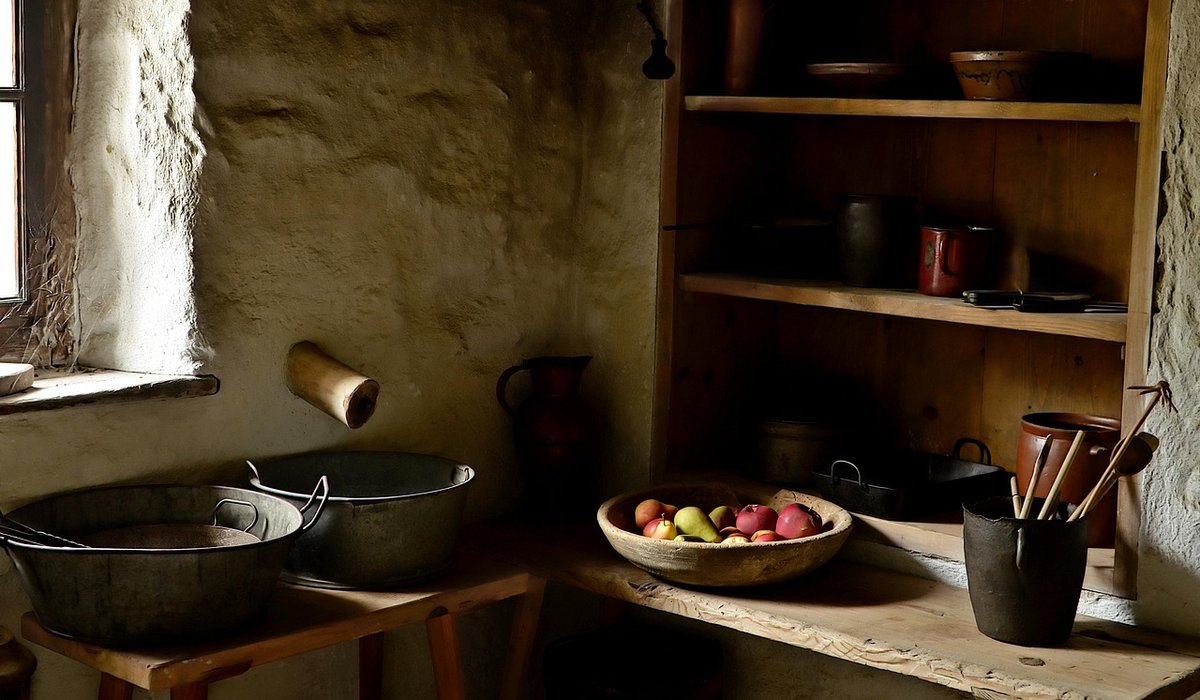
Open shelving is the quiet hero of a cottage kitchen. It lets the light move around a small room, gives you somewhere to put the things you actually use, and makes even a narrow galley feel generous. The secret is to treat the shelves as a working part of the kitchen rather than a display cabinet — everyday essentials within easy reach, punctuated by a few pieces you'd genuinely be upset to lose.
Build the shelves around what you reach for daily
Before you worry about how anything looks, spend a week noticing what your hands go to. Those are the things that belong on open shelves; everything else can live in a cupboard.
- Mugs and everyday cups above the kettle, so you are not stretching or bending for the first cup of the day.
- Plates, bowls and side plates within arm's reach of the table or the worktop where you plate up.
- A jug or shallow pot for wooden spoons, spatulas and tongs, sitting close to the hob.
- Salt, pepper and the oils you cook with every day, kept together in one small, tidy cluster.
Eye level is prime real estate. Put the most-used items there and reserve higher shelves for things you like looking at but touch less often — a stack of pudding basins, a row of jam jars, a favourite teapot.
Aim for roughly two-thirds practical, one-third precious
The shelves look best when the useful things do the heavy lifting and the treasured pieces are allowed to shine because there are only a few of them. Aim for about 70 per cent working items to 30 per cent keepsakes, then adjust to taste.
The loveliest cottage kitchens blur the line between the two. A pretty bowl is doing its job holding lemons. A china jug is holding a bunch of dried lavender rather than sitting empty. A jelly mould becomes a butter dish. An old enamel tin stores the tea bags. Nothing is there purely to be looked at, and nothing is so plain that the shelf feels like a stockroom.
If you have a collection — blue-and-white china, copper pans, stoneware, glass — resist the urge to put all of it out at once. Half the pleasure of open shelving is rotation. Keep the rest wrapped in tissue in a cupboard and swap pieces around every few months.
Arrange with height, grouping and a little breathing space
Shelves look calm when your eye can travel along them without hitting a wall of stuff. A few simple rules help:
- Leave gaps. The wall showing through is part of the design. Empty space makes the objects you have chosen look deliberate.
- Vary heights. Put taller pieces at the ends of a shelf and lower ones in the middle, so nothing looks like a row of identical soldiers.
- Group in odd numbers. Three jars, five cups, a stack of four plates — odd numbers sit more naturally than even ones.
- Stack and lean. Plates in low stacks, chopping boards leaned against the wall, bowls nested inside one another.
- Repeat one material or colour. A thread of cream enamel or warm terracotta running through the shelves pulls a mixed collection together.
Step back regularly while you work. Photograph the shelf on your phone — it is surprising how much easier a mismatched grouping is to spot through a lens.
Keep the everyday things genuinely usable
Open shelves in a busy kitchen collect grease and dust, so anything stored on them needs to be easy to wipe. Decant dry goods into clip-top jars and lidded tins: flour, rice, oats, pasta, coffee, biscuits. Not only do they look tidier, but you can see at a glance when you are running low.
Near the hob, be selective. Anything that will go tacky — cardboard packets, paper bags, open bottles of syrup — is better off elsewhere. Keep cooking oils in a dark bottle or a small cupboard, salt in a lidded pot, and a tea towel or two on a hook beneath the shelf rather than draped over it. A thin shelf of brass or painted wood wipes clean far more easily than bare, unsealed timber.
Fix them properly and load them sensibly
Open shelving is only relaxing if you trust it. Brackets should go into studs, brick or proper wall plugs, not just plasterboard, and shelves should be fitted with a lip or a fixing that stops them tipping. As a guide, a shelf about 20 to 25cm deep is plenty for plates and jars, and 30 to 35cm between shelves fits most everyday crockery without wasted air.
Heavy stoneware and cast-iron dishes belong on the lowest shelf, close to the brackets. Lighter glasses, cups and small bowls can go higher. If a shelf bows even slightly, you have overloaded it — take something off before it becomes a problem.
Let it change with the seasons
The best cottage shelves never look finished. In spring, a pot of herbs and a bowl of eggs; in summer, a jug of sweet peas and a heap of tomatoes ripening on a plate; in autumn, a row of preserving jars and a squash or two; in winter, mugs, a tin of tea and a candle in a saucer.
Wipe the shelves down properly every few weeks — a warm damp cloth, then a dry one — and take everything off to do it. You will notice what you have stopped using and what has quietly become part of the room. That small, regular edit is what keeps open shelving feeling warm and lived-in rather than simply full.


Keep rosemary, thyme and mint close to hand for cooking, whilst their fragrance welcomes you every time you step outside.
Simple additions like a shallow water dish, native flowers and a log pile can turn a modest plot into a haven for birds and pollinators.
Begin the day with gentle rituals such as opening curtains, making tea and writing a short list before checking any devices.
Plan heavier tasks for your most alert days and leave room for rest, so home life feels steady rather than constantly rushed.